
FAQ: Botanical Glasshouses
Tuesday 14 April 2026
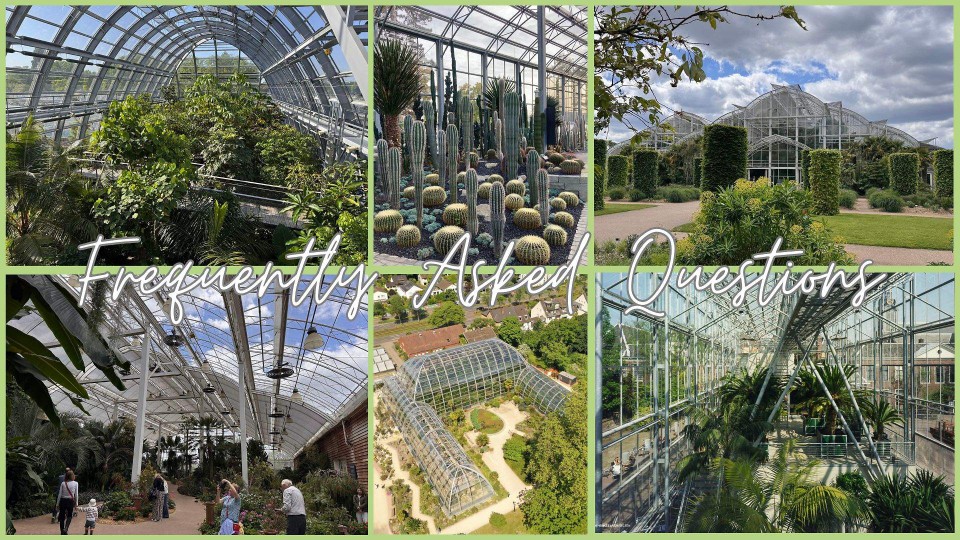
Frequently Asked Questions:
Botanical Glasshouses
A botanical glasshouse may look like a structure made of glass and steel. In reality, creating one involves many more considerations: from plant collections, climate and light to visitor comfort, architecture, structure, energy use, maintenance and long-term use.
With these FAQs, we share some of the questions we are often asked when developing, renovating or building a botanical glasshouse.
“In short” gives you the answer at a glance, followed by a little more context where useful.
Every botanical garden and every project is different. The right solution depends on your ambitions, collections, location and existing situation. That is why we believe in understanding your plans and ideas early in the process. The earlier we are involved, the better we can explore the possibilities, identify challenges and help find a solution that works for your project.
What is important when planning a botanical glasshouse?
In short:
A botanical glasshouse needs to support both the plant collections and the people visiting them. Climate, light, ventilation, height, accessibility, safety and meeting the standards and visitor experience all need to be considered together.
Every botanical garden has its own collections, ambitions and site conditions. There is therefore no standard solution. The earlier we are involved, the better we can help identify the possibilities, challenges and practical requirements.
| See it in practice: the Glasshouse for RHS Wisley – three climate zones in 5,500 m² with education and cultivation zones. |
How do you create different climate zones in one botanical glasshouse?
In short:
Different plants need different conditions. A botanical glasshouse can therefore be divided into climate zones, each adapted to the requirements of a particular collection.
The exact solution depends on the plants, the building, the local climate and how the glasshouse will be used. There is no one-size-fits-all solution. By understanding the collection and ambitions at an early stage, we can help determine what is possible and what needs to be considered. And by doing this for instance questions like do we need a physical wall/ border between the two zones to optimize the zones or can it be kept open?
How do you balance plant requirements with visitor comfort?
In short:
Plants and visitors do not always have the same climate requirements. A successful botanical glasshouse needs to find the right balance between the conditions plants need and a comfortable environment for visitors.
This involves more than temperature alone. Ventilation, humidity, shading, glazing, noise, air movement and visitor routes can all play a role. Each project requires its own approach.
What type of glass is suitable for a botanical glasshouse?
In short:
The right glazing depends on the plants, climate, insulation requirements, safety and the local regulations, light levels and intended use of the glasshouse.
There is no single type of glass that is best for every botanical project. Glazing is one of the choices we consider together with the wider climate and structural requirements of the building. For most plants it is essential that the full spectrum of light reached the plants. This does not always goes together with the regulation for safety. There are solutions, but these will need a good look at.
How high should a botanical glasshouse be?
In short:
The required height depends on the plant collection, the architecture, technical installations and how visitors will experience the space.
Large trees and tropical collections may require considerable height, while other collections have very different needs. The available site and the desired appearance of the building also influence the structural solution.
How can a botanical glasshouse be made more energy efficient?
In short:
Energy efficiency starts with the design of the building. Orientation, glazing, insulation, ventilation, shading and climate control all influence energy use.
The most effective solution depends on the specific project and its climate requirements. We look at the building as a whole rather than treating individual technical measures separately. Besides this it is of course also important to look at the technical installations and how the internal climate will be regulated.
| See it in practice: Botanical glasshouses Gothenburg – future-proof botanical glasshouse to preserve its unique plant collections under optimal climate conditions, improve accessibility and create an exceptional educational experience. |
Can an existing botanical glasshouse be renovated?
In short:
Yes, depending on the existing structure and its condition, renovation can be a practical way to improve performance while retaining part of the existing building.
The possibilities depend on the structure, glazing, technical systems, collections and how the glasshouse is used. A thorough assessment of the existing situation is therefore an important first step.
Can a botanical glasshouse be renovated while it remains open to visitors?
In short:
In many cases, renovation can be planned in phases to limit disruption to visitors and protect valuable plant collections.
The approach depends on the building, the scope of the work and the organisation of the botanical garden. Careful planning and coordination are essential, especially when valuable collections need to remain protected
Every project is different
A botanical glasshouse, atrium or public visitor environment each has different requirements. The needs of plants, visitors and the building itself all influence the solution.
Our approach
The earlier we are involved, the better we can help identify the possibilities and challenges. To do that, we first need to understand your plans, ambitions and requirements.