
Reception building WUR (NL)
Tuesday 20 May 2025
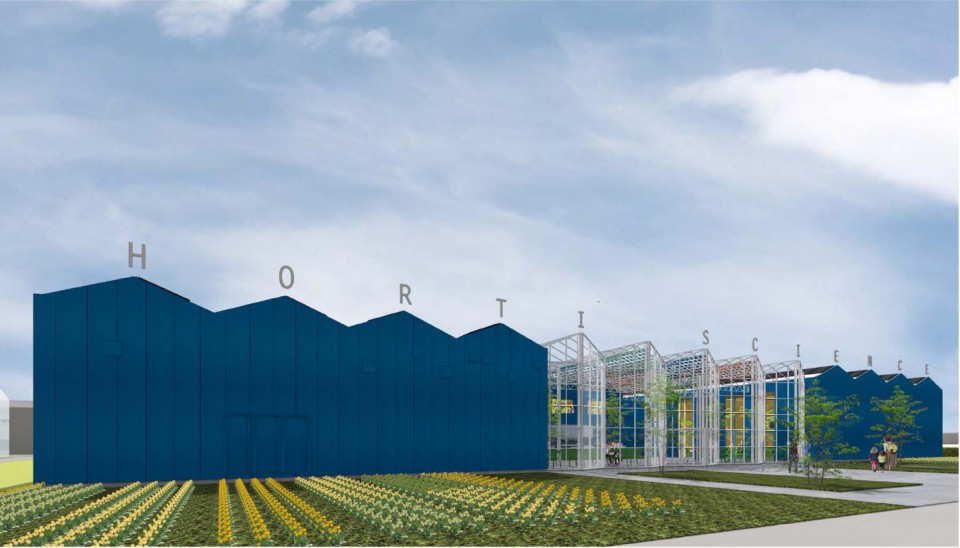
Smiemans has been commissioned to work on the initial design of the new reception building to be built for Wageningen University & Research (WUR) in Bleiswijk. Once this phase has been completed, the design will be implemented.
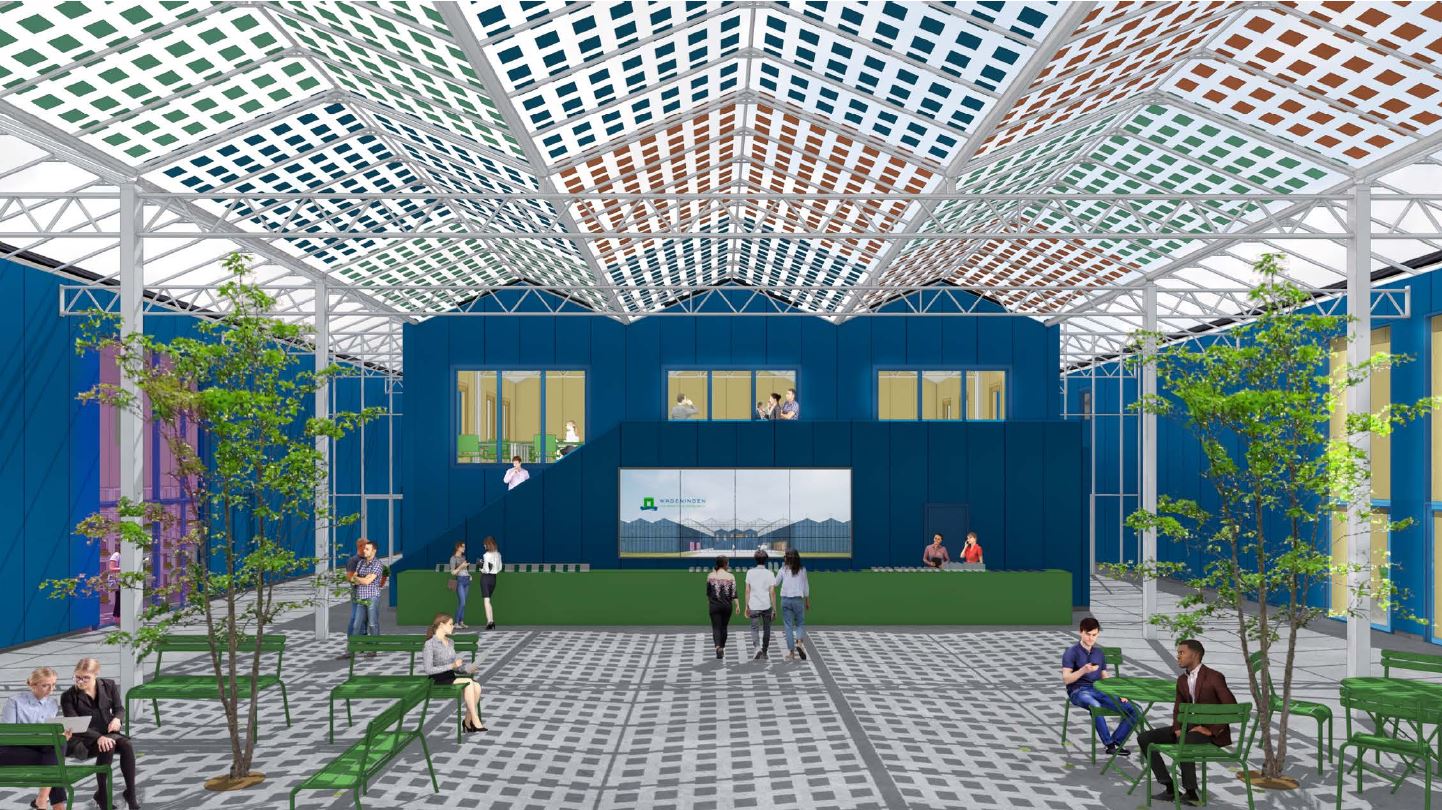
The reception building will have a total surface area of 3,120m2 and will feature storey floors. It will be a multifunctional space, combining both reception and work facilities. The building is characterised by a unique glass entrance that immediately gives visitors a sense of innovation and future orientation.
The total project covers an area of over 8,700 m² and has been designed by Van Bergen Kolpa Architects. This will be carried out turnkey by main contractor Bom Group. Construction is scheduled to start by the end of this year.
What makes a reception building under glass different from a standard building?
A glass-covered reception building requires a careful balance between daylight, transparency, comfort and energy performance. Unlike conventional buildings, factors such as solar gain, ventilation, condensation and user comfort play a more prominent role in the engineering and construction process.
Why is collaboration important in complex glass projects?
Projects like the WUR Reception Building involve architects, engineers, suppliers and specialist contractors. Close collaboration between all parties helps identify potential challenges early and contributes to a smoother construction process, better coordination and a higher-quality end result.
How does early engineering contribute to project success?
Early engineering allows critical aspects such as structure, drainage, glazing, maintenance access and climate control to be considered before construction begins. This reduces risks during the building phase and helps prevent costly modifications later in the project.
What is the added value of glass architecture in educational and research environments?
Glass architecture creates bright and welcoming spaces that strengthen the connection between people and their surroundings. In educational and research environments, natural daylight and visual openness can contribute to an inspiring atmosphere for students, researchers and visitors.
Subscribe now and never miss an update:
We will keep you updated on the progress of the project via our social media channels. If you are interested, check out our channels and subscribe to these updates. You can also subscribe to our newsletter, which we send out about 4 times a year. It also contains the most important updates and developments, which you will receive in your mailbox. You can subscribe to the newsletter below.